
Transforming Institutions: Participatory Municipal Democracy in the Age of Insecurity
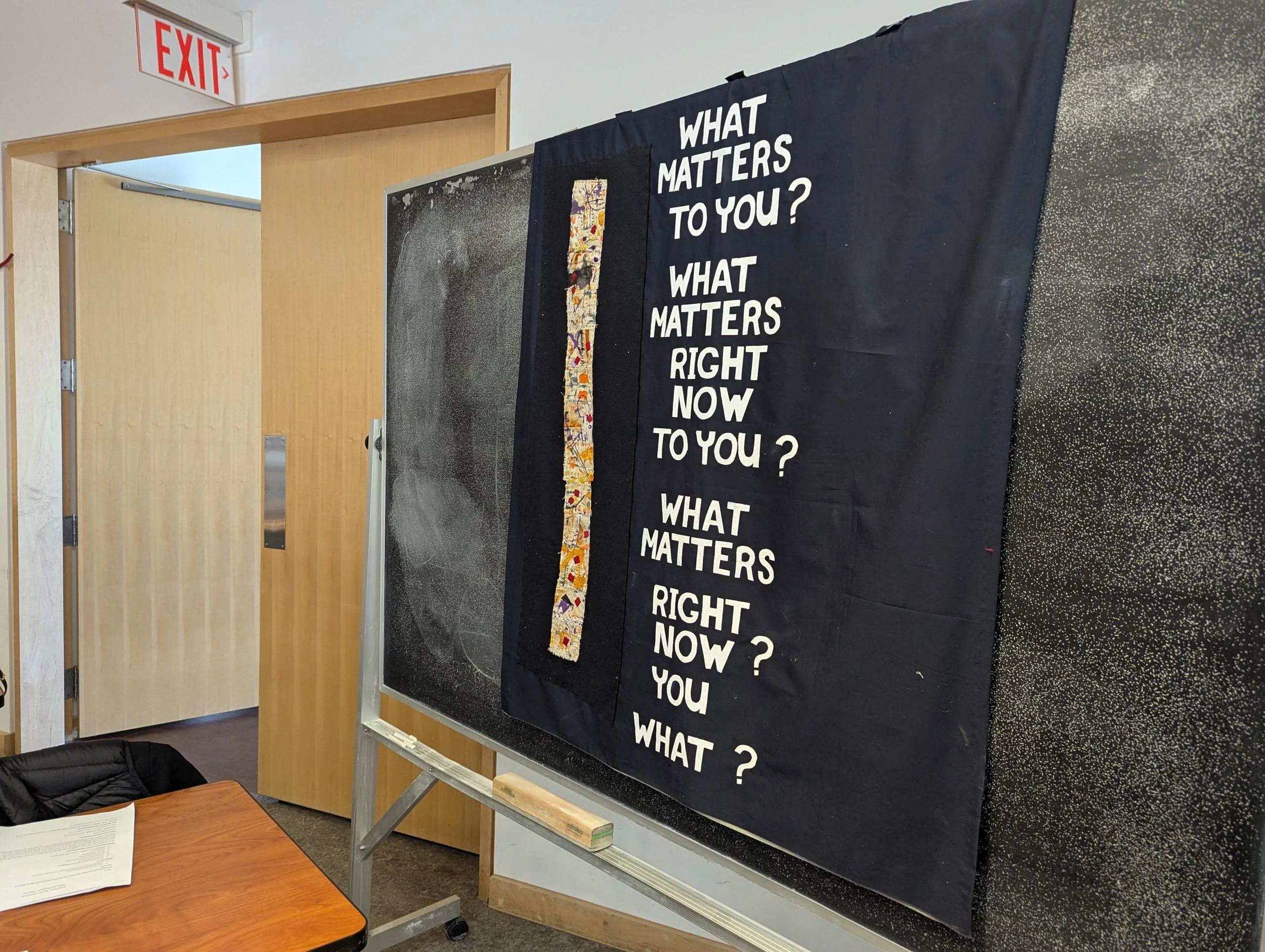
On this page, you’ll find information about our Transforming Instituion project, including our launch shareback, our Strategic Plan Review, and information about our ongoing focus groups.
Project Launch
The Research for Social Change Lab is excited to announce our new project: “Transforming Institutions: Participatory Municipal Politics in the Age of Insecurity” (TIPMPAI). This is a project about insecurity, shaped by rising inequality, climate instability, and shifting dynamics of privilege and marginalization.
In this project, we propose to:
Build knowledge about how the shifting dynamics of privilege and marginalization play out;
Investigate how they are experienced and understood by everyday local people; and
Mobilize these findings through public dialogue and community planning.
Our work will focus on four inter-related causes and manifestations of insecurity:
Housing, income and food insecurity;
Felt insecurity in shared public space (e.g., public bathrooms, libraries, transit, parks/ greenspace);
Public health precarity, exacerbated by climate change, substance use and abuse, and unmet needs associated with physical disability, illness and mental health; and
Shifting population dynamics (e.g., age, immigration, race and ethnicity, culture, family).
We want to know what people's experiences with these manifestations of insecurity are and what is common and different among them, how policy and media influence these experiences, and what tangible actions can be taken to address these experiences of insecurity.
This is a five year project that will involve conducting focus groups on the four issue areas, training community researchers in the methodology of Institutional Ethnography, and host a series of structured community dialogues in an effort to build bridges in the community across complex and difficult issues.
On October 15th, 2025, the RSCL hosted a launch event for this project. At the event, we invited our community collaborators to a discussion about our previous work with Peterborough Public Library and to get an understanding from them about their priorities as it relates to our research. For information on what we learned at this event, please review the Project Launch Shareback report (linked below).
For more information, please contact Dr. Collin Chepeka, Manager - Research for Social Change Lab: cchepeka@trentu.ca.
Strategic Plan Review
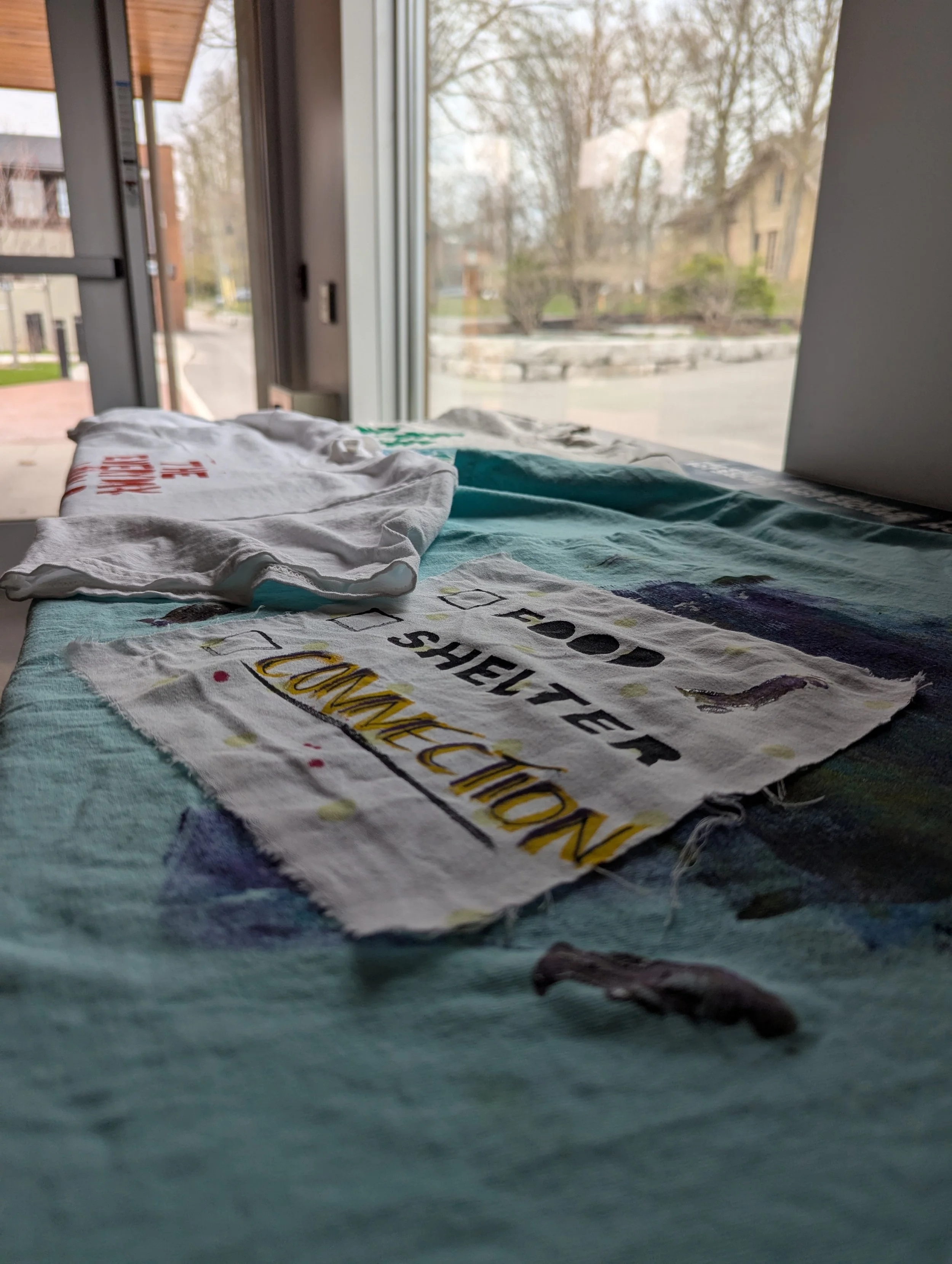
Following the launch of the RSCL’s new Social Sciences and Humanities Research Council of Canada-funded project “Transforming Institutions: Participatory Municipal Politics in the Age of Insecurity,” Lab Director Dr. Naomi Nichols was approached by representatives of community organizations who expressed an interest in the strategic planning documents of local institutions and community organizations. The expressed goal of such a review was to determine what progress (if any) has been made on key community issues and to determine whether any patterns or trends could be identified through a macroscopic review.
To conduct this review, a coordinating team of researchers, academics and community members was created to determine the scope of the review. In particular, the team included Nancy Fischer, Dawn Berry-Merriam, Dr. Greg Yerashotis, Brandon Eby, and Dhilan Maharaj. The project was co-led by Lab Director Dr. Naomi Nichols and Lab Manager Dr. Collin Chepeka. To Nancy Fischer and Dawn Berry-Merriam, we extend bountiful gratitude for the time they volunteered to this project, their near-encyclopedic knowledge of the history of community organizing in Peterborough City and County and their practical advice on how this research could be made useful to community organizations. We hope that others continue to recognize the incredible knowledge-base that long-standing community advocates like Fischer and Berry-Merriam draw from.
We found that across all areas, social and environmental issues are deeply interconnected. Despite appearing as distinct manifestations of precarity, housing instability, food and income insecurity, health challenges, climate change, and public safety concerns intersect with and reinforce one another. Our review also suggests that over time the calls to action in some strategic plans shifted from clear, measurable goals to more abstract and intangible goals. This shift coincided with an almost universal recognition that while institutional and community organizations are overwhelmed by demand, there is a lack of funding to meet community needs.
In all, a review of the last 20 years of strategic planning in Peterborough shows a community once optimistic about its ability (and capacity) to meet tangible goals–like ending chronic homelessness by 2025–through service coordination and sustainable land use policies. Now, the strategic plans reveal a community facing intensifying problems with less optimism and no expectation of government assistance.
In response, this report calls for a shift from fragmented and competitive strategic planning approaches toward greater coordination, solidarity, and structural advocacy.
Key recommendations include:
● Building solidarity across organizations and communities to strengthen advocacy and reduce competition for limited resources;
● Explicitly naming (with the goal of abolishing) systemic drivers of precarity, including structural, economic and policy constraints;
● Making “strange bedfellows” by pairing seemingly dissimilar organizations to see if more efficient discussions and distributions of existing resources can be had; and
● Setting tangible, measurable goals with explicit timeframes and ongoing processes of analysis and accountability.
Ultimately, meaningful change will require a collective shift toward coordinated action, shared infrastructure, and sustained advocacy aimed at addressing the root causes of precarity.
To read the report, click on the link below.
Focus Groups

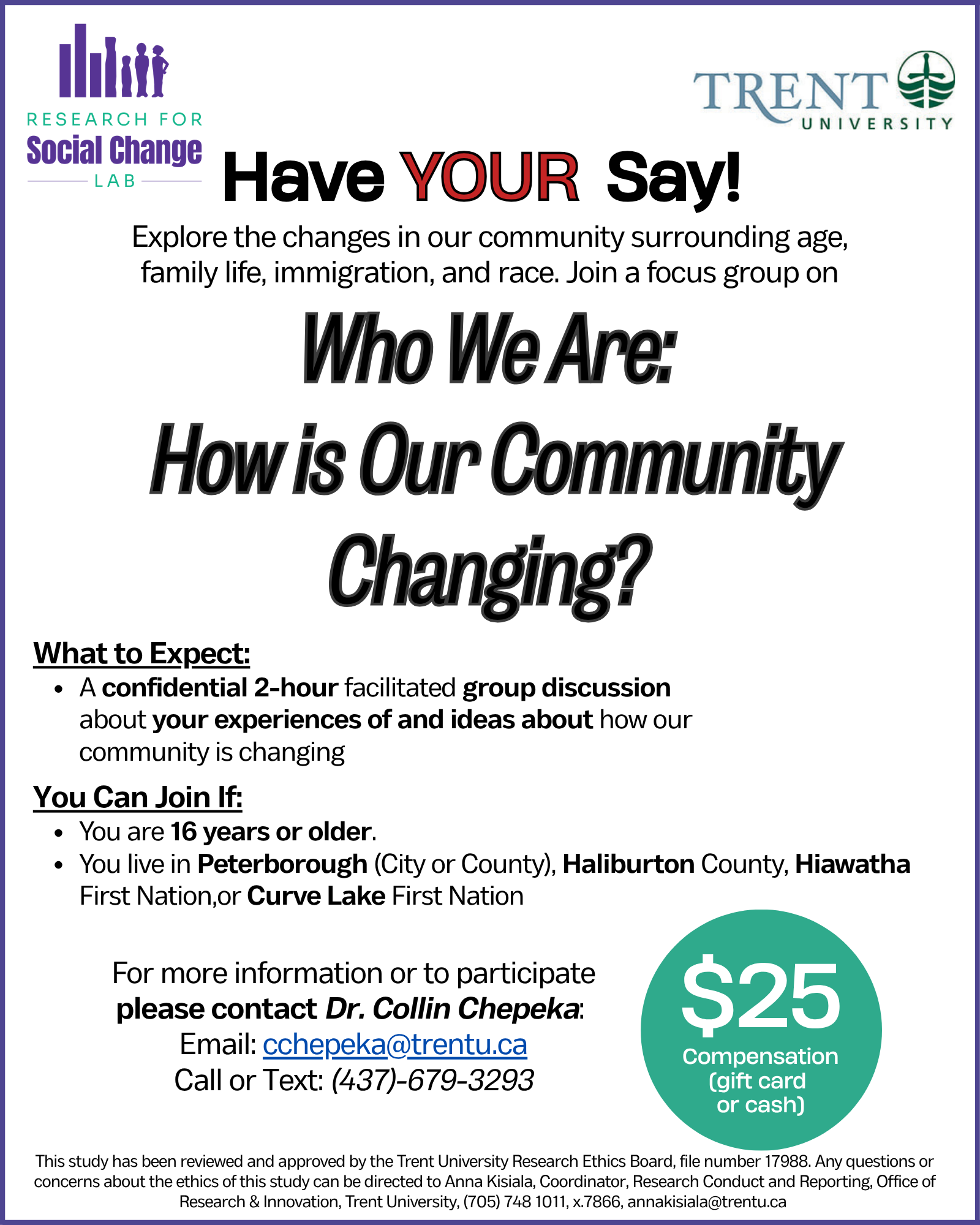
As the project progresses, the RSCL will host a series of focus groups that deal with the specific issue areas found in the grant. Those topics include:
Uncertainty in Public Space
Housing and Food Uncertainty
Who We Are: How is Our Community Changing?
Health Uncertainty: Physical Disability and/or Illness
Health Uncertainty: Climate Change
Health Uncertainty: Substance Use
If you are interested in hosting or participating in a focus group, please email RSCL Manager Collin Chepeka: cchepeka@trentu.ca
Resource List
Precarity can be hard to talk about. So, we want to make sure that the folks sharing their experiences with us have access to a list of resources that are capable of providing a variety of support. If you are in crisis or immediate danger, please contact the appropriate emergency service agency. Below you will resources for individuals, members of Indigenous communities and families.